
Whitepapers
As capacidades mais recentes do Diagnostic OS
.png)
Remove Image Obstructions with 3D Clipping
.png)
.png)
.png)
Ver tudo

How to Deal with Burnout Among Healthcare Providers
Burnout generally affects a number of physicians in a clinic or hospital at some point during their workday. This not only affects work performance and physical well-being but also impacts the quality of care provided to patients.
Below, we present the significant impact burnout has on healthcare staff and how it can affect the work environment. We will also offer recommendations to prevent and manage this widespread problem, common in hospitals, clinics, and medical centers.
What Is Burnout Syndrome?
The burnout syndrome, also known as the "burned-out worker" syndrome, is a state of physical, mental, and emotional exhaustion or fatigue resulting from excessive work, stress from a difficult work environment, or mental fatigue.
All of these symptoms accumulate on a daily basis, until the point is reached where the person suffering from it no longer feels capable or fit to perform good work or maintain their usual level of performance.
What Are the Symptoms of Burnout?
Below are some of the most common symptoms of burnout syndrome, so that you can identify them in medical staff. This will allow you to take steps to treat it in time.
The following symptoms may occur:
- Psychological and physical fatigue. Healthcare staff may experience a continuous loss of energy, manifested both physically and mentally.
- In terms of physical exhaustion, we may find loss of appetite, muscle pain, constant headaches, and disruptions to the menstrual cycle.
- In the psychological and mental dimension, staff affected by burnout may experience stress and anxiety.
- Indifference and detachment from work. When suffering from this syndrome, there is a possibility of developing apathy and indifference toward the patients under one's care, as well as no longer feeling the same commitment to one's work.
- Decreased work productivity. Taking all of the above into account, we can see that all of this culminates in poor work performance, demotivation, and frustration.
How Does Burnout Manifest in Healthcare Providers or Physicians?
Generally, burnout syndrome can occur in almost any type of work with high physical and mental demands. However, there is one field that burnout primarily affects: the healthcare sector.
According to one study, this condition mainly affects physicians in leadership positions at a clinic or hospital, as well as surgeons and emergency staff.
According to another study, in terms of exhaustion and fatigue, this syndrome affects both sexes equally.
How Can PACS, RIS, and HIS Systems Help Reduce Burnout in Your Lab and Among Physicians?
Although each member of a clinic or hospital's healthcare staff is responsible for their own well-being and health, the institution can play an important role in acknowledging and addressing the problem in order to promote the well-being of healthcare providers.
PACS systems (picture archiving and communication systems) were created to manage information more effectively and quickly, coming from all the different diagnostic methods.
This system goes hand in hand with the radiology information system (RIS) and the hospital information system (HIS), which optimize the tracking of radiology exams and the management of all patient-related operations at the clinic or hospital.
A PACS system can considerably help prevent burnout among healthcare providers. This is due to its great advantages:
- Medical staff who need information can access it at any time they require it.
- All information remains secure, as it is controlled by electronic security and data protection measures.
- The use of databases improves patient quality and care by allowing image comparison, searches, and reduced diagnosis times.
Over time, PACS systems have proven effective for managing hospital information, easing the work environment within an institution. When combined with the other systems mentioned and institutional well-being policies, the workload of medical staff can be reduced and adjusted.
How to Prevent and Avoid Burnout in Healthcare Providers?
Since it is a complex syndrome, preventing and treating it requires addressing it from different angles, both regarding the health of the medical provider and the care given to patients.
It is recommended not only to apply measures in the workplace but also to implement development strategies to cope with personal situations.
However, healthcare providers can personally apply strategies to combat and prevent the syndrome. One of the first options they have is to pay attention to their personal relationships, invest quality time with family, and enjoy the company of friends and colleagues, among others.
Other practices that can be implemented include reducing the workload, learning to manage time, and avoiding activities that cause dissatisfaction and discomfort.
However, if symptoms are severe, specialized care from mental health professionals will be needed.
References
- Burnout in healthcare staff. The Conversation.
- Burnout in healthcare workers. NIH.
- Burnout Syndrome. Salud Mapfre.

How Can I Implement a PACS System in My Clinic, Practice, or Medical Office?
Discover some ways you can implement a PACS system in any healthcare business to stay at the forefront of storing, communicating, and managing radiology and medical imaging studies in a simple and practical way, so that productivity always comes first.
If a healthcare center provides radiology and medical imaging services, then it is important to implement a PACS system that helps ensure their proper management. More and more healthcare centers are digitalizing their services, and PACS systems are the best option for managing all of this information appropriately.
Furthermore, patients have become aware of the advantages of digitalization, and technology has worked to reduce the associated risks, mainly when it comes to X-rays. In other words, digital radiology and medical imaging are here to stay in the healthcare field.
In this sense, a PACS system is a technological solution for the daily management needed in a healthcare center to increase productivity, achieve long-term savings, and reach more accurate diagnoses. That is why we will review below some ways to start taking advantage of PACS systems, regardless of the size of the medical practice.
Steps to Implement a PACS System
The first step to implementing a PACS system is being aware of its many advantages, since the investment made will translate into a return on investment in various aspects: from patient satisfaction to the ability to use diagnostic modalities more often.
So, if you want to increase your productivity, have efficient backup of patients' clinical records, and avoid affecting results through deterioration or external manipulation, do not hesitate to review the essential steps to achieve this:
- Research the available options
There are many PACS systems on the market with different price ranges and service offerings. It is best to conduct thorough research to make sure the chosen system meets service expectations, offers a reasonable price, and has reliable technical support.
- Ask Vendors Questions
Some questions that can be asked of the PACS vendor include what security standards are used, what the total implementation costs are (since some vendors charge separately for system updates, maintenance, and training), and what the scope of the system's tools is.
- Request a Demonstration
A good PACS vendor will be willing to provide a product demonstration. This way, you can make sure it is the ideal system for your needs. If you work with other colleagues, make sure they also try the system and can ask the vendor the relevant questions.
- Plan the Migration
Whether you have never implemented a PACS system before or you have a service you want to change, an important step is data migration. Your PACS vendor should assist you through the corresponding steps so that all your information is backed up in the new system, whether it is digitized gradually or migrated all at once.
Points to Consider Before Implementing a PACS System
Once you have chosen the PACS system that best suits your needs, consider some other important factors before proceeding with implementation:
- Staff training. This is often the last step in implementing any system. However, it has been shown that one of the main problems is lack of knowledge among the technicians who operate the imaging equipment. That is why it is essential that retraining be provided from the very beginning.
- High-speed connection and bandwidth service. Considering the large amount of information processed in a healthcare center, it is essential that communication speed be adequate. A recommended value is 10/100 Mbps, since it allows a good number of images to be processed online within the same second. The best network is without a doubt fiber optic. At Eva PACS, we offer guidance on the best networks available by area.
- Communication network backup. This is another element of the technology architecture required to implement a PACS system, since it prevents the storage and exchange management of imaging studies from being affected in the event of any failure of the main network. This alternative service is crucial to ensuring quality service at all times in your healthcare center.
- Security system. This step is one of the most important, because failure to comply with protocol could result in legal penalties for your clinic or practice. It is therefore necessary to have encryption, a secure network, and clearly defined personnel authorized to manage all of this patient information.
- Database. There are many software programs that allow you to create a quality database, and this is essential for a PACS system to operate correctly. Depending on the vendor you choose, all of this information could be stored entirely in the cloud, or it may require components such as computers with web servers and storage memory suited to the volume of studies performed, servers that provide longer-term backup, and optical disk drives or magnetic tapes to keep records.
- Image compression and decompression system. This can be considered part of the database. It is necessary to be able to optimize the space occupied by the studies and to decompress them only when they need to be reviewed, communicated, sent, and so on.
- DICOM viewers and monitors. Not all DICOM viewers have the same tools, nor are they all designed to manage information efficiently. Also, consider the monitors on which technicians and physicians will view the radiology studies.
Optimizing Resources
While it is true that the technology architecture for a PACS system may require adjustments initially, for example regarding the internet connection, for this reason it is essential to turn to experts who can help optimize the necessary resources. For instance, when it comes to the communication network, the greatest bandwidth and speed should be allocated to the imaging center, while the administrative offices can have something less powerful.
There are servers and computers with excellent processors and storage units, but a good practice is to look for ones that match the volume of work with a margin of flexibility. As for the printing system, once the migration to digitalization takes place, it will be worth evaluating whether it will still be used frequently in your healthcare center.
With Eva PACS, you will find all the support you need throughout the adaptation process so that your staff is properly trained and achieves correct management of imaging studies. This cutting-edge technology is designed to help your medical practice succeed and reach its true potential, attracting more patients and referrals.
References
- Zúñiga, J. (2009). Sistemas para archivo y comunicación de imágenes (PACS) (Systems for image archiving and communication (PACS)). Mexico, Secretaría de Salud (Ministry of Health).

What Is Cybersecurity Like in PACS Systems?
Discover the challenges and solutions related to cybersecurity and data protection when choosing a PACS system to improve the management of radiology and medical imaging services.
In the modern world, the use of information technology (IT) has seen extensive development in the medical field. Perhaps one of the greatest advances in hospital management took place in the 1970s, with the introduction of hospital information systems (HIS).
The widespread use of diagnostic imaging modalities such as computed tomography (CT) and magnetic resonance imaging (MRI) also began in the 1970s and 1980s. Meanwhile, picture archiving and communication systems (PACS) and digital copy reading became popular between the 1980s and 1990s. All of this contributed to the electronic exchange of clinical information between institutions, physicians, regions, or even internationally, as is common practice today.
The internet has become an indispensable source of information and an efficient, fast, and inexpensive means of communication. However, the widespread use of information technology and the internet has also created new challenges. An issue that has become increasingly important for hospitals is cybersecurity, a term that the Oxford English Dictionary defines as "the state of being protected against the criminal or unauthorized use of electronic data, or the measures taken to achieve this."
Types of Attacks That Can Affect Hospital Cybersecurity
One particularly damaging type of malware (or malicious software) that affects organizations and computer users worldwide is ransomware. This is software that, once downloaded and executed, proceeds to encrypt as many files as possible and then demands a ransom payment (usually using a cryptocurrency such as Bitcoin), with the promise that the decryption key for the files will be provided after payment, which does not always happen.
A document published by the United States Department of Justice states that in 2016, 4,000 ransomware attacks per day were reported, a fourfold increase compared to 2015. Furthermore, the healthcare sector is among the most affected, accounting for 15% of all cases. It also notes that 50% of all cybersecurity incidents in hospitals in 2017 were related to ransomware.
Furthermore, government institutions around the world have acknowledged that healthcare institutions are part of a society's critical infrastructure, and therefore require complete protection, especially against cyber threats.
For example, the United States and European Union governments have designed specific plans for the protection of cybersecurity in the healthcare sector. Meanwhile, in Germany, hospitals with more than 30,000 patients annually adopted the measures of a cybersecurity law to protect themselves.
What Threats Can Affect Hospital Cybersecurity?
Currently, the cybersecurity threats facing hospitals have reached a new level of alert. While attacks in the past were often widespread and random, they are now increasingly targeting the healthcare sector, which is apparently viewed as an attractive target by the groups behind these threats.
For example, phishing practices (email in which the sender impersonates someone else) or spam (unsolicited email) are common, in which users are generally asked to open an attached file.
However, the spear phishing technique is becoming increasingly common. A user, for example, an employee in the human resources department, will receive a convincing-looking email with an attached or linked document that, when opened, turns out to be malware that infects the computer.
Over the past decade, medical images have largely shifted from printed copies to digital format, for example through PACS systems. These are easier to share, which speeds up diagnosis time. They can also be uploaded, stored, and shared across all types of devices, which also makes them a target for cybercriminals.
In turn, they are also very interested in acquiring other types of medical information that can be highly valuable, such as electronic medical records, regulatory records, hospital information systems, and even information related to governments, academic files, and business records. This leaves healthcare services vulnerable to potential security breaches, allowing cybercriminals to target and steal this important data.
Common Cybersecurity Challenges in PACS Systems
For this reason, when choosing a PACS system, it is good practice to verify that the vendor can guarantee that various electronic security and data protection measures are in place.
The PACS system vendor must offer at least the following cybersecurity guarantees:
- Monitor and control internal user accounts.
- Identify outliers in behavior (for example, a large number of downloads within a short period of time).
- Maintain access control and tracking for all external users.
- The integrity of image data must be guaranteed.
- Constantly monitor connections to the system.
- Full assurance and monitoring of connections to and from systems that are not part of the internal system.
- Provide security, data protection, and access management without affecting the productivity and performance of the system.
When choosing a PACS system, it is important to verify that the vendor complies with international cybersecurity and data protection standards, such as HIPAA compliance.
Security Architecture of PACS Systems
Using commercially available products, the United States National Institute of Standards and Technology (NIST) created a reference network architecture. It provides an example for healthcare providers to separate their networks into zones to reduce access and, therefore, risk.
To minimize risks, the reference architecture in the NIST practice guide presents various technical and process controls to implement. These are:
• A defense-in-depth solution, including network zoning, which allows more granular control of network traffic flows and limits communication capabilities.
• An access control mechanism that includes multifactor authentication for care providers, certificate-based authentication for imaging devices and clinical systems, and mechanisms that limit vendor remote support to medical imaging components.
• Also a holistic risk management approach that includes managing medical device assets, strengthening enterprise security controls, and leveraging behavioral analysis tools for threat management.
References
- Challenges and methods for PACS Systems. 24 by 7 Security.
- PACS: flaws that put data at risk. Data Breach Today.
- Cybersecurity in PACS and Medical Imaging. Springer.
- "Sistemas para archivo y comunicación de imágenes (PACS)" (Systems for image archiving and communication (PACS)). Guía tecnológica no. 41 (Technology Guide No. 41). Secretaría de Salud, México (Mexican Ministry of Health), 2009.

How to Increase Productivity for Radiologists
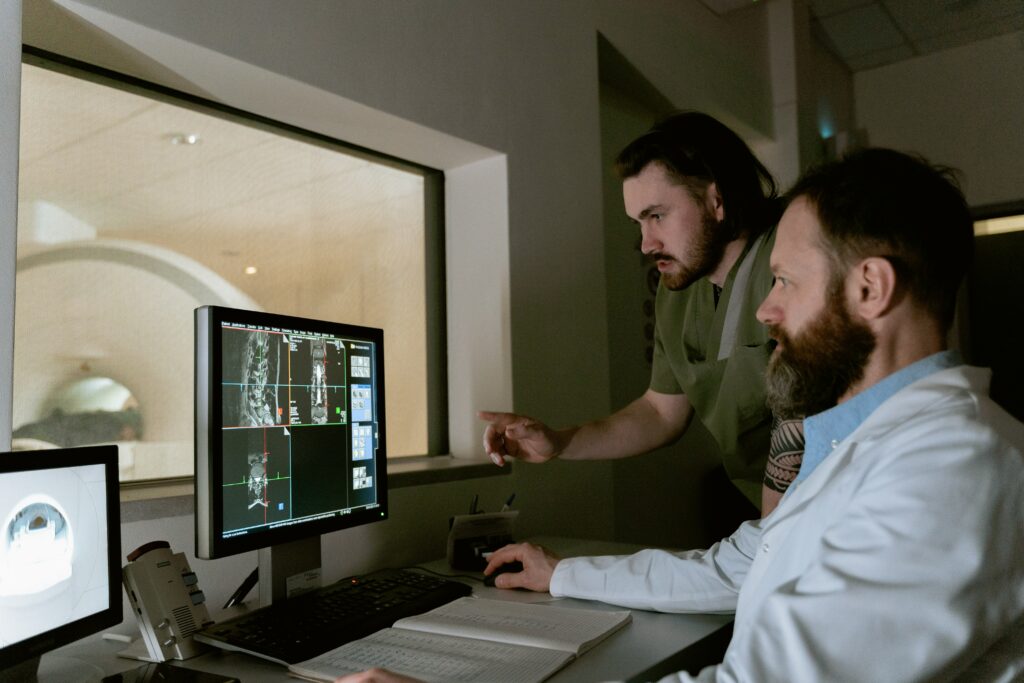
In Mexico, there are approximately 7,500 radiologists according to the Colegio Mexicano de Radiología (Mexican College of Radiology). This number is very low considering that the country has just over 126 million inhabitants. For this reason, it is essential to achieve maximum productivity among radiologists without this meaning sacrificing their well-being.
That said, other factors also come into play, such as the number and complexity of the studies currently being performed. Taking all of this together, we arrive at the urgent need to address how to provide radiologists with the best possible conditions to carry out their work.
Productivity for Radiologists
The first step is directing attention. This may seem simple at first, but it is important to have a period of the day dedicated exclusively to interpretation work, setting aside any distractions that may arise, as much as possible.
Next is establishing both time blocks and breaks. Since this is mentally demanding work requiring high concentration, it is necessary to take appropriate breaks to avoid the so-called burnout syndrome.
Radiology Administration
When it comes to providing patients with the best conditions to obtain their study results, having order within medical centers is essential. First, there must be a clear objective for the institution in question, since this can vary depending on whether it is a clinic, hospital, dental center, etc., and, on the other hand, whether the facility is focused on diagnosis, research, or other purposes.
If the medical center is focused on teaching, this will be the means through which its mission is fulfilled. All stakeholders involved must therefore be aware that, in this case, teaching takes priority, which may mean that patient care hours are restricted or that several physicians attend to the same patient.
Once we take all these variables into account, we return to the term we started with, "administration," since in this case it comes down to guiding the institution toward the objective originally planned. But how can this be done?
Organization of a Radiology Service
There are four key processes when it comes to administration: planning, organization, direction, and control. All of these must be fully carried out to ensure proper execution. For example, it is not enough for medical leadership to give an order; it is also imperative to review the process. In this sense, control is a key element of proper administration, since it should involve evaluation and positive feedback to ensure continuous improvement.
Radiology Improvement Plan
With all of the above, we have presented everything from how a professional should manage their time to the role played by the institution in which they work and the processes it involves. To provide patients with quality service, it is essential to continuously review individual and collective processes so that productivity remains optimal.

Health Quality Standards for Primary Healthcare
Primary healthcare is the initial point of contact with the healthcare system for most people. People typically visit their primary care physician regularly, sometimes even once a week. It is also the first stop for hospitalized patients, or those who need hospital treatment but are not yet ready to go home. With so much emphasis on healthcare quality standards, you may wonder what exactly these standards mean for you as an individual. In this article, we will explain what primary-level quality standards are, how they apply to your local primary care services, and what other medical institutions you should consider instead.
What Are Primary-Level Healthcare Quality Standards?
Primary care is the most accessible level of healthcare. To practice at this level, healthcare providers must meet certain healthcare quality standards to ensure that patients receive high-quality care. Primary-level quality standards include having sufficient space and equipment to treat a given number of patients at any one time, having enough staff (physicians, nurses, and other medical personnel) to provide services, and being able to give patients the information they need about their condition and treatment options. Primary-level quality standards apply to services offered at all primary care centers, such as general practitioners, family physicians, and walk-in clinics. They also apply to the services of specialists who provide primary-level care, such as cardiologists, dermatologists, and neurologists.
What Do Primary-Level Quality Standards Mean for Your Doctor?
Primary-level quality standards are the minimum quality-of-care requirements that healthcare providers must meet. If a provider fails to meet these standards, they are not permitted to practice at the primary level and must transfer their patients to another healthcare facility. Primary-level quality standards do not mean your doctor is bad. Rather, they mean that the facility where your doctor works does not meet the requirements for space, equipment, training, and staffing. Primary-level quality standards likewise do not mean the doctor is bad. In fact, the doctor may well be excellent; it is simply that the facility where they work does not meet the requirements.
Why Are Primary-Level Quality Standards Important?
Healthcare providers and patients must meet certain healthcare quality standards to ensure that patients receive high-quality care. These quality standards apply to services offered at all primary care centers, such as general practitioners, family physicians, and walk-in clinics, as well as at the practices of specialists who provide primary-level care, such as cardiologists, dermatologists, and neurologists. Primary-level quality standards are important for the following reasons: healthcare professionals who practice at the primary level have been approved to practice. They have passed the required examinations and have the training and experience necessary to practice. Patients can therefore trust that providers have their interests in mind and are qualified to treat them. Primary-level quality standards are also important because they allow the government to track and monitor the number of providers it has.
Which Hospitals Meet Primary-Level Care Quality Standards?
All hospitals that offer primary-level care meet these quality standards. To practice at the primary level, a hospital must meet certain quality standards, such as having sufficient space, equipment, staff, and specialists (for example, cardiologists, neurologists, etc.). Primary-level quality standards apply to all general hospitals, which offer a wide range of care. If you are not sure which hospital to visit, you can check the quality standards tables or ask your primary care physician to recommend one. Primary-level quality standards also apply to services provided at specialized hospitals, such as oncology or ophthalmology hospitals.
General Characteristics of Quality Standards
Primary-level quality standards ensure that providers and patients meet certain healthcare standards. These quality standards are important because they allow the government to track and monitor the number of providers and patients receiving high-quality care. All hospitals that offer primary-level care meet these quality standards. If you need to visit a healthcare facility, make sure it meets these quality standards.

Patient Satisfaction Surveys: A Good Idea?
Many healthcare services conduct patient satisfaction surveys to evaluate the quality of their services and thereby make decisions about possible improvements or adjustments. Learn about their benefits and the most common questions typically asked in these surveys.
Today, there are major challenges in growing healthcare centers, not only in infrastructure, but also regarding the quality of service provided to patients. Let us remember that patients are the main spokespeople for how each healthcare center where they are treated actually operates.
This is why certain questions arise when it comes to determining the effectiveness of healthcare services, and we could highlight a few:
Do you know how patients feel about your medical center, clinic, practice, or diagnostic office?
Are they satisfied with the processes and care they receive overall?
A very important point is that patient experience is rapidly becoming a fundamental and critical element in healthcare. If you're not sure how your service ranks, it might be time to distribute an important tool: the patient satisfaction survey.
What Are Patient Satisfaction Surveys Used for in the Healthcare Industry?
This type of survey offers a fairly quick way to uncover hidden problems in any healthcare center. And considering that today 81% of consumers are not satisfied with their healthcare experience, now is a good time to measure how your specific patients feel and take appropriate action.
As every detail affecting management is addressed in favor of the healthcare center's growth, it will improve its quality and, in turn, foster its expansion.
We will consider some questions you can include in a satisfaction survey to measure the patient experience and thereby contribute to the growth of any healthcare center.
Possible Questions in a Patient Satisfaction Survey
- How easy was it to schedule an appointment at our facility?
An area of concern for many healthcare centers is primarily accessibility. If you want to serve satisfied patients, all staff must strive to provide accessible care.
This means patients should not have difficulty communicating and scheduling an appointment, nor should they have to wait months to see a healthcare provider. To make sure you're meeting patient expectations in this area, it's a good idea to ask about the ease of scheduling appointments.
If you find that patients consistently give a low rating, you likely need to reevaluate your scheduling processes or staffing needs.
- How long did you wait (beyond your appointment time) to be seen?
Making patients wait for long periods of time is a sure way to see their satisfaction ratings plummet. Successful healthcare centers do everything possible to demonstrate that they value their patients' time, which includes keeping appointments moving according to schedule.
Asking about appointment wait times in a patient satisfaction survey is another way to assess the accessibility of a medical center's care. If patients consistently wait 20 minutes or more past their appointment time to be seen, your center may need to allow more time between appointments or address inefficiency issues.
- How satisfied are you with the cleanliness and appearance of our facility?
Another very important factor in healthcare services is undoubtedly cleanliness, and it is a key factor in quality. After all, healthcare facilities are tasked with preventing or treating diseases and infections. Maintaining a clean and welcoming environment in their facilities should be a priority.
To make sure your healthcare center meets the necessary standards regarding cleanliness, check your patients' perceptions in the satisfaction survey. The Hospital Consumer Assessment of Healthcare Providers and Systems (HCAHPS) is a patient satisfaction tool that all hospitals in the United States must distribute. This survey includes a complete section for assessing the cleanliness of facilities.
- How would you rate the overall care you received?
A very important aspect is care. This is another element that greatly contributes to the growth of a healthcare center, since patients may be satisfied with the appearance of the facility, but if they don't have a good experience with the person providing their care, they are certain not to return.
Quality medical care should ensure that all staff members are respectful, reliable, and knowledgeable. They should devote adequate time to addressing patients' concerns and should avoid making patients feel uncomfortable.
You can quickly determine whether your performance is falling short by including a question in the patient satisfaction survey that reveals the quality of care received from different staff members (from the front desk to the treating physician).
- How likely are you to recommend our service to a friend or family member?
On the other hand, personal referrals or referred patients are an excellent way to grow your patient base. But you won't get many if existing patients are not satisfied with their overall experience. Every point of contact with the patient (that is, receptionist, nurses, physicians, etc.) can leave a lasting impression.
Find out how patients feel before it's too late by conducting a satisfaction survey that asks whether they would recommend your service to a friend or family member.
If most patients indicate that they would refer someone to your healthcare center, you are likely meeting or exceeding patient expectations in every area, which is the ultimate goal.
In Conclusion on Quality in Healthcare
Therefore, conducting patient satisfaction surveys may not be at the top of your priority list, but it should be. Satisfaction surveys provide valuable insight into patient experience and medical practice operations.
By making the most of these insights, any healthcare center can improve the connection between patients and the center while making continuous improvements to its business operations.
Another tool is remote health monitoring surveys, which give providers a way to communicate with patients and track their progress between visits. This type of survey is extremely useful for monitoring chronic conditions and allows healthcare teams to escalate cases or intervene before minor issues become serious problems. 79% of patients say they are interested in health monitoring surveys.
Overall, every healthcare center should take into account all the aspects mentioned above and use them as a fundamental basis for optimizing the development of strategies that increasingly lead it down an efficient path, thereby enabling growth hand in hand with the satisfaction of every patient treated.
References
- 5 Patient Satisfaction Survey Questions to Ask. Form Stack.
- Convincing patients to respond surveys is easier than you think. Physicians Practice.
- 3 reasons your practice should be conducting patient surveys. EMDS.

Understanding the Organizational Chart of a Clinical Laboratory
Have you ever wondered how a clinical laboratory works? What different organizational structures exist in a clinical laboratory? What is the importance of a clinical laboratory's organizational chart? In this guide, we will explain everything you need to know about the organizational chart of a clinical laboratory.
1. Introduction to the Organizational Chart of a Clinical Laboratory
A clinical laboratory's organizational chart is a diagram that shows the laboratory's organizational structure and how the different departments and staff relate to one another. This structure is used to provide information about the organization, as well as to identify responsibilities and relationships among employees. The organizational chart is also known as a human resources chart or company chart.
A good organizational chart for a clinical laboratory should be clear, concise, and easy to understand. It should include all the details necessary to convey relevant information. A well-designed organizational chart also helps improve productivity and work efficiency.
2. Types of Organizational Structures in Clinical Laboratories
Clinical laboratories can be structured in several ways, depending on the complexity of the organization. These structures include the linear structure, the functional structure, the matrix structure, the network structure, and the pyramidal organizational chart structure.
The Linear Structure
The linear structure is a simple, straightforward organizational structure. Departments and staff are organized from top to bottom. This structure is generally used in small organizations with a clear line of authority.
The Functional Structure
The functional structure is an organizational structure based on the performance of functions. This structure focuses on dividing labor according to employees' areas of expertise. It is generally used in large organizations engaged in the production of goods or services.
The Matrix Structure
The matrix structure is an organizational structure that combines the linear structure and the functional structure. It is generally used for projects that require a combination of specialties. The goal is to improve efficiency and productivity.
The Network Structure
The network structure is an organizational structure based on collaboration. It is generally used for projects that require extensive collaboration among multiple people and/or departments.
The Pyramidal Organizational Chart Structure
The pyramidal organizational chart structure is an organizational structure in which there is a clear line of authority from the top to the base. It is generally used for large, complex organizations.
3. The Importance of the Organizational Chart of a Clinical Laboratory
A good organizational chart for a clinical laboratory is essential for the organization's effective functioning. A well-designed organizational chart can help improve productivity and work efficiency. It can also help define appropriate responsibilities and communication channels.
An organizational chart can also help employees better understand the organization's purpose and how their responsibilities relate to the organization's objectives. This can help improve motivation and engagement.
The organizational chart can also help employees identify the right people to obtain information from and discuss specific issues with. This can improve efficiency and productivity, since employees do not have to waste time trying to find the right person.
A good organizational chart can also help employees better understand the organization's culture and values. This can help employees make appropriate decisions and work together harmoniously.
4. Advantages of an Effective Organizational Chart
A good organizational chart can help the organization meet its objectives and achieve excellence. Some of the main advantages of an effective organizational chart are as follows:
- Improves efficiency and productivity.
- Facilitates decision-making.
- Clarifies responsibilities and the line of authority.
- Improves communication among employees.
- Facilitates the identification of improvement opportunities.
- Establishes appropriate communication channels.
- Establishes the framework for strategic decision-making.
- Establishes the responsibilities of the organization's members.
- Helps employees better understand the organization's culture and values.
5. Creating an Effective Organizational Chart
Creating a good organizational chart for a clinical laboratory requires a thorough understanding of the organization's structure. There are some basic steps you should follow to create an effective organizational chart:
- Establish the organization's objectives. This will help you identify the departments, employees, and responsibilities needed to achieve the objectives.
- Establish an appropriate organizational structure. This will help you identify the best structure for meeting the organization's objectives.
- Identify appropriate responsibilities and communication channels. This will help ensure that all members of the organization understand their responsibilities and the appropriate communication channels.
- Define the roles and responsibilities of each department. This will help ensure that each department understands its responsibilities and how it should cooperate with other departments.
- Create an organizational chart diagram. This will help you visualize the organization's structure.
- Review and update the organizational chart. This will help ensure that the organizational chart remains effective and relevant.
6. Typical Roles in the Organizational Chart of a Clinical Laboratory
Clinical laboratory organizational charts typically include the following departments or functions:
- The Administration department is responsible for the organization's general management. This includes resource planning, strategic decision-making, financial management, and human resources management.
- The Operations department is responsible for executing daily tasks. This includes quality control, inventory control, equipment maintenance, and documentation management.
- The Services department is responsible for providing customer service. This includes customer care, the development of new products and services, issue management, and quality improvement.
- The Research and Development department is responsible for the research and development of new products and services. This includes scientific research, the development of new technologies, and the design of new products and services.
- The Marketing department is responsible for promoting the organization. This includes advertising, sales promotion, the development of new distribution channels, and the creation of marketing strategies.
- The Human Resources department is responsible for managing human resources. This includes hiring and staffing, employee training and development, compensation and benefits management, and conflict management.
- The IT department is responsible for managing technology. This includes managing computer systems, information security, and the implementation of new technologies.

What Is a PACS System and What Does PACS Mean?
The name PACS stands for Picture Archiving Communication System, that is, image archiving and communication system. Its function is to streamline the processes of acquiring, managing, distributing, and storing medical images, benefiting healthcare staff, administrative personnel, and, of course, patients.
It could be said that PACS systems are the digital version of the radiologist's reading room and archive. Their main objective is the systematic storage, management, viewing, and distribution of medical information and images.
How Does a PACS System Work?
Basically, PACS systems work as follows:
- Images are acquired from the diagnostic modality (X-ray, CT scan, MRI, etc.).
- Reception of the images in digital format.
- Sending of the images to a server, where they are integrated into the database.
- Viewing and interpretation of the images.
- Issuance of the report or results report.
- Diagnosis.
Access a demo of Eva PACS:
Taking the above into account, we can see that PACS works as a large database in which several actions and processes converge: the viewing, processing, management, and distribution of medical information and images, and the issuance of reports. This means it does not merely store data, but allows it to be managed in a more useful and efficient way.
What Are the Components of a PACS System?
The components of PACS systems are as follows:
- Interfaces for imaging equipment or modalities, such as: linear accelerator (LINAC), computed axial tomography (CT), magnetic resonance imaging (MRI), ultrasound (US), mammography, nuclear medicine (NM), and others.
- Communication networks, such as the internet and intranet.
- Archiving systems. For example, storage on a local server or cloud storage.
- Workstations for the display and viewing of images. In some cases, images can be viewed from a DICOM viewer without being on a workstation.
- Software designed for database management.
DICOM Format in PACS Systems
The DICOM (Digital Imaging and Communications in Medicine) standard is an image format for the comprehensive communication of clinical imaging studies. In other words, it serves as a link between internal communication (covering all imaging modalities) and external communication (facilitating communication with other PACS servers and DICOM workstations).
The DICOM format is a protocol used to share images so that they are compatible with any medical equipment, computer, and operating system (Mac, Windows, Linux, etc.). It also has the advantage of being usable with a Canon or Nikon camera.
Images are shared and analyzed using a DICOM viewer. Ideally, the DICOM viewer should be integrated with the PACS system, making it easy to prepare a diagnostic report by accessing patient data within a single system.
Advantages of PACS Systems
To achieve all its objectives, PACS adapts to the location where it will be installed and the existing imaging equipment at the center or institution. It therefore adapts completely to the center and the services it wishes to provide, rather than the other way around, unlike other technologies that are becoming obsolete.
Among the advantages of PACS systems, we find:
- Time savings. The radiologist can interpret more studies in less time.
- Cost savings. Significant savings are seen in printing radiological films, physical storage space, paper costs for printing results, and much more.
- Modernization of a clinical system. Medical centers that use PACS systems see immediate improvements after implementing them. For example, patient information can be accessed on the same platform.
- Better patient care. Today, patients expect digitized services. They will appreciate receiving their diagnoses quickly and digitally.
- Teleradiology capability. This enables collaboration between specialists, as well as allowing physicians to interpret studies remotely. This ultimately leads to savings in resources and time, and further improvements in productivity.
What Factors Should I Consider Before Choosing a PACS System?
We interviewed Dr. Benjamín Conde Castro, a physician specializing in Radiology and subspecializing in oncological imaging and breast imaging. According to him, when choosing a PACS system:
“Undoubtedly, price must be taken into account. It is good practice to compare prices between systems.
Other differentiating factors are that some platforms do not offer engineering support. It is better to have the assurance that technical support will be there to resolve any problem”.
Regarding his opinion of Eva PACS, Dr. Conde said:
“Eva PACS is a very intuitive and easy-to-use platform. It is a system just as fast as the more expensive ones, and in other respects, Eva is far above many other tools I have tried. What stands out the most to me is the MPR function, which is very, very fast.
I like that the tools are customizable, and they are the ones used most frequently.”
(BANNER)
In Conclusion
In conclusion, picture archiving and communication systems (PACS) are an innovative tool that has been progressively adopted by the radiology departments of healthcare centers and institutions.
Above all, this is because they represent a step toward the digitalization of radiology and imaging services.
References
- Centro Nacional de Excelencia Tecnológica en Salud (National Center for Health Technology Excellence) Guide. 2009. "Technology Guide No. 41: Picture Archiving and Communication Systems (PACS)," no. 41: 38.
Heinze-Martin, Gerhard, Víctor Hugo Olmedo-Canchola, Germán Bazán-Miranda, Napoléon Andrés Bernard-Fuentes, and Diana Patricia Guízar-Sánchez. 2018. "Los Médicos Especialistas En México." Gaceta de México 154 (3): 342–51. https://doi.org/10.24875/gmm.18003770.

How to Evaluate the Quality of a Healthcare Service
If you are an owner or partner of a medical practice, clinic, or diagnostic center, it is vital to evaluate the current state of your services. This will help ensure that your service grows and improves its reputation. Discover below how a healthcare service quality evaluation is carried out.
Due to rising cost pressures and growing demand for care services, all healthcare systems strive to facilitate universal access to high-quality care while ensuring their long-term sustainability.
Given this context, governments are increasingly focusing on finding ways to improve efficiency in managing their healthcare systems to address this dual challenge.
How to Optimize Resources in a Medical Center
A growing body of evidence suggests that there is considerable room to optimize healthcare spending without compromising access to and quality of care, provided that appropriate methods and processes are implemented.
Being able to measure and evaluate the quality of healthcare is essential for correctly identifying where resources are being underused or wasted. This makes it possible to design policy interventions aimed at improving efficiency, productivity, quality of care, staffing needs, and many other aspects.
A care evaluation can be defined as a critical assessment of whether healthcare meets its objectives. The following aspects stand out among those that can be evaluated:
- Effectiveness. This takes into account the benefits provided to patients, measured according to the health improvements achieved.
- Efficiency. This relates the cost of healthcare to the outputs or benefits obtained.
- Acceptability. This concerns the degree of social, psychological, and ethical acceptance of the healthcare provided.
- Equity. This can be expressed as the fair distribution of healthcare among individuals or groups.
On the other hand, healthcare evaluation can be implemented during a medical intervention, so that the evaluation results inform the ongoing program (also known as formative evaluation), or it can be carried out at the end of a program (known as summative evaluation).
Setting the Objectives of the Medical Evaluation
As a key starting point, it is very important to reflect on the purpose of the evaluation, the audience for the results, and the potential impact the findings may have.
This can help identify which dimensions or aspects will be considered when evaluating the quality of a healthcare service: inputs, processes, outputs, outcomes, efficiency, and so on.
To set the objectives of the evaluation, it is recommended to follow the SMART method:
S - specific. The objective should be as specific as possible.
M - measurable. Each objective must be measurable.
A - achievable. Are the objectives achievable?
R - realistic. Can the objectives be realistically achieved with the resources available?
T - time-bound. Time limits must be set within which the objectives will be pursued.
Example: A patient satisfaction survey will be conducted, administered to 200 people via written surveys over the course of a month.
Deciding the Type of Medical Evaluation
Once the objectives the evaluation seeks to achieve have been identified, several aspects must be considered:
- How can the population/service being evaluated be defined?
- Will the approach be quantitative, qualitative, or mixed?
- The design should aim to eliminate bias and confounding factors as much as possible. Is it possible to have a comparison group?
- The strengths and weaknesses of each approach must be weighed when finalizing the design, along with the implications for interpreting the noted findings.
Some types of evaluation are as follows:
a) Random methods
- Through random assignment, factors are distributed evenly. Randomized controlled trials can be costly and may not be the most practical solution for an initial evaluation. This is generally carried out prospectively.
b) Non-random methods
- Cohort studies: involve the non-random assignment of an intervention, can be retrospective or prospective, but adjustments must be made for confounding factors.
- Case-control studies: These examine infrequent outcomes, participants are defined based on outcomes rather than the care received, and there is a need to match controls. However, the selection of the control group is itself a significant source of bias.
c) Ecological studies
- These are cheap and fast, cruder and less sensitive than studies applied at the individual level. They can be useful for studying the impact of health policies.
d) Descriptive studies
- These are used to generate hypotheses and help understand the complexities of a situation, thereby providing insight into processes.
e) Health technology assessment
- This examines which technology can offer the greatest benefits to a particular patient or population group.
f) Qualitative studies
- The researcher becomes a member of the operational team and focuses on improving the effectiveness of the health intervention or program rather than evaluating it.
Assessing the Workload of Healthcare Staff
Regarding workload, the special characteristics of the workforce must be taken into account. As the World Health Organization describes it, "there can be no health without the participation of the workforce."
The goal of these analyses is to identify all the factors involved in each staff member's job performance: from physical wear and tear to the tools they have on hand to facilitate their routine.
An evaluation of this nature can help administrators strengthen positive factors. Likewise, administrative or management staff can make decisions regarding measures to reduce workload, distribute it fairly, and help optimize resources.
One example of this is the implementation of PACS or PACS-RIS systems, which provide a perspective on staff activities. In this way, in addition to optimizing medical staff's working hours, a general statistical picture of time and resource use is obtained.
All of these evaluations will result in the overall improvement of your healthcare center, as well as in patient care and, of course, in the growth of the service.
References
- Health Systems Efficiency. World Health Organization.
- Health Care Evaluation. Health Knowledge.

Managing a Radiology Laboratory
Increasingly, physicians from different specialties use radiological studies to make more accurate diagnoses for their patients. As a result, these laboratories are in high demand worldwide, with significant growth since the COVID-19 pandemic. Analyzing the body's structure is the best tool for health experts to assess the condition of organs, soft tissue, nerves and much more.
However, for these studies to be of high quality, proper management of the radiology laboratory is essential, and this involves more than just having the best equipment or technical staff. The reason is that, beyond image capture, the management of order, planning, control and direction of all the elements that are part of the healthcare facility also plays a role.
To achieve good management, the first step is to define the laboratory's mission, vision and values. Based on this, administrators, who are not only technicians or radiologists, can develop a work plan to maintain order in the facility, schedule patient appointments, manage records, control invoices, archive studies and design strategies focused on business growth.
Hospital Administration in Radiology
Everything discussed above is closely related to the healthcare specialty known as "hospital administration," which in radiology refers to the complete management of these services. In other words, it refers to optimally managing the waiting times of patients and physicians to obtain imaging results.
It also involves managing patients' historical records, the confidentiality of information, and the complete safekeeping of studies. This is undoubtedly a fairly difficult task when done in the traditional way, that is, with physical X-ray films, which tend to deteriorate over time, are subject to greater human error in the filing process, and require more time to search for as they age.
In this regard, PACS (Picture Archiving and Communication System) systems are an effective technological solution for hospital administration in radiology, since they are digital platforms that make it possible to store, communicate and safeguard imaging studies with the cybersecurity required by industry regulations.
Efficient Radiology Service
By this point, you will notice that a good healthcare facility offering radiology services requires sound management to provide an excellent experience for patients. The key points are:
- Reduced waiting times. Every minute is valuable for patients and healthcare professionals, so image capture and processing must be optimal. This can also increase the facility's productivity.
- Study sharing. Patients also want to have their radiology images on hand to keep their own records, or alternatively to be able to consult with other trusted specialists. Therefore, being able to send these results to patients represents modernization and translates into good service.
- Information security. No one wants their studies disclosed without authorization. For this reason, the systems used in a radiology laboratory must guarantee their confidentiality.
- Backup of clinical records. Although people usually bring their previous studies when they see a doctor, it is also reassuring for them to know that the hospital keeps their records. However, this search must be fast: using only an identification code, whoever handles this task must be able to find the corresponding images and their respective report.
Improvement Plan for Radiology Laboratories
One of the improvement plans for radiology laboratories to enhance their results is through technology. This involves both the use of cutting-edge radiology equipment with excellent resolution for different modalities, as well as systems that streamline storage and communication management activities. PACS fully addresses this last point, since it integrates with the patient database and imaging studies.
In addition, venturing into the digitalization of hospital and radiology services means significant space savings in healthcare facilities, since physical files are no longer needed to store film. Servers, in turn, are the new brain of information. Eva PACS has everything you need to enhance your radiology laboratory.

Patience and Patients: How Radical Empathy Will Transform Healthcare Design
Empathy is a fundamental human quality that refers to the ability to understand and share the feelings of others. Lately, in the world of healthcare, empathy has taken on essential importance in making a difference in the patient experience.
Why can empathy elevate care and benefit institutions as well? Because by ensuring that patients receive enough care to recover from illness or injury, we meet the objective, but only up to that point. Having a basic understanding of patients' feelings still is not enough. To truly transform healthcare, we must raise the standard of quality with radical empathy.
What Does Radical Empathy Consist Of?
Radical empathy is about putting yourself in patients' shoes and seeing the world through their eyes. It is a deep and genuine way of understanding the person, with compassion. This approach to healthcare means authentically understanding their fears, concerns and challenges, in order to offer more personalized and effective care. In this way, by implementing radical empathy, we can achieve truly significant improvements in healthcare.
On the other hand, radical empathy can also help transform healthcare into a more human and personalized experience. By placing the patient at the center of everything, meeting their individual needs becomes a priority throughout the entire process. This compels us, as service providers, to think about and design more effective solutions for the patient.
One example of these solutions would be the use of cutting-edge technologies to improve communication and collaboration between patients and their healthcare providers, doctors, and clinic and laboratory staff at every point of interaction. Another example would be home care solutions that offer a more comfortable and effective service and recovery alternative by sparing patients all the inconvenience of traveling to the healthcare facility.
In addition, applying radical empathy when serving the patient helps reduce the stress and anxiety often experienced when undergoing studies, tests or any other medical intervention. Healthcare can be a stressful and confusing experience, especially for those with no prior experience or knowledge about their condition or treatment. Approaching the patient with radical empathy can help create a more welcoming and understanding environment, minimizing their fears and improving their overall experience.
Patient-Centered Healthcare Design: The Power of Radical Empathy
Radical empathy is a key and valuable tool for transforming healthcare design from now on. By placing patients at the center of everything and authentically understanding their needs and challenges, we are better equipped to design solutions and processes that are more effective, warmer, and more human, in order to deliver exceptional medical care.

History of Radiology: How the Diagnostic Tool Came to Be
Radiology is the branch of medicine concerned with the detection and monitoring of diseases through the use of imaging techniques. Radiologists are medical professionals who specialize in diagnosis and the management of imaging-related patient care. The first use of X-rays dates back to 1896, when German physicist Wilhelm Röntgen discovered them while experimenting with discharge tubes. With his new discovery, Röntgen was able to demonstrate that exposure to these rays produced an image on a photographic plate on the other side of the room where a device known as a vacuum tube was operating. That same year he published his findings on this new type of ray; however, people were slow to recognize the potential medical applications of radiography.
1900s: From Experimentation to Medical Use
The first medical use of X-rays began in 1900, when British physician John T. Scanlon used them to examine the chest and abdomen. In 1901, William Roentgen (Röntgen's surname was shortened to Roentgen when he was admitted to the British Institution of Electrical Engineers) performed the first X-ray examination of the human body. Roentgen's discovery was initially used to examine bones and the skeletal system, but it soon became clear that this new imaging technique could reveal diseases in other organs and tissues, such as the lungs, the abdominal region and the heart. For example, these rays could be used to determine whether a patient had tuberculosis or broken bones. The first hospitals with X-ray departments opened in the United Kingdom, Germany, the United States and France in the early twentieth century.
1920s: It Becomes a Standard of Care in Medicine
In the early twentieth century, the first specialized clinics using X-rays for disease diagnosis were established. In the United States, radiologists began training in this new field, and the first radiology departments were created at some universities. As the new century progressed, X-rays became increasingly popular, and the number of radiology departments grew, as did the number of radiologists. As radiologists gained more experience and knowledge in the use of X-rays, they began developing other imaging techniques, such as fluoroscopy. This imaging technique uses X-rays to visualize internal organs and the workings of the human body.
1930s-1940s: Growing Expertise in Radiology
During the Great Depression, radiologists became increasingly specialized as the field of radiology was more and more recognized as a medical discipline requiring specific training and skills. In the 1930s, the American Roentgen Ray Society (ARRS) was founded, and the first American Board of Radiology was formed. With the outbreak of World War II, the number of radiology departments in the United States declined, as radiologists of military age were called to serve in the armed forces. As many of them enlisted, the country suffered a shortage of radiologists. However, the war also drove the development of new imaging techniques, such as fluoroscopy. In the following years, radiologists continued to focus on distinguishing normal human anatomy from abnormal anatomy that could indicate the presence of disease.
1955: First CT Scan and the Birth of MRI
During the 1950s, radiologists continued to develop and improve imaging techniques. One of the most significant innovations was the introduction of the first computed tomography (CT) scanner, also known as computerized axial tomography (CAT). The first CT scanner was built at Massachusetts General Hospital in Boston. It was capable of producing cross-sectional images of the human body in just a few seconds, which were then reconstructed into a 3D image. This new imaging technique was called computed tomography (CT) because X-ray beams passed through tissue and were received by special detectors, which then fed the data into a computer that created an image from it. Other imaging techniques, such as fluoroscopy, also improved during this decade. In 1955, the American Association of Physicists in Medicine (AAPM) was founded. This group was responsible for standardizing diagnostic imaging techniques. # 2000s - present: 21st century technologies The twenty-first century brought new medical discoveries and the invention of new imaging techniques such as magnetic resonance imaging (MRI), functional magnetic resonance imaging (fMRI) and positron emission tomography (PET). MRI uses a powerful magnetic field and radio waves to produce images of the body's soft tissues, such as muscles and the brain. fMRI is a variant of MRI in which the magnetic fields and radio waves are switched off; instead, the machine uses the brain's metabolic activity to produce images. PET images use small amounts of radioactive material injected into the bloodstream to visualize the body's metabolic activity. These modern imaging techniques allow for the detection and monitoring of diseases at an early stage. As imaging technologies continue to advance, patients can expect better, more comprehensive exams and more accurate diagnoses from their doctors.
Nenhum documento corresponde à sua pesquisa.