
Whitepapers
As capacidades mais recentes do Diagnostic OS
.png)
Remove Image Obstructions with 3D Clipping
.png)
.png)
.png)
Ver tudo

International Day of Radiology
If you would like to learn about International Radiologist's Day and everything related to this particular date, including when it is celebrated and why, in the following lines you will discover a bit more about the important role this specialty plays in medicine. You will also learn more details about this wonderful specialty.
Without a doubt, International Day of Radiology is a meaningful day to celebrate and bring joy to all the professionals who dedicate their careers to radiology. It is certainly a fitting date to recognize the outstanding performance of all the specialists devoted to this important field of medicine.
International Day of Radiology is commemorated on November 8. Every year, a celebration is held to raise greater awareness of the value of the field of radiology in medicine, and above all to appreciate all the radiologists and radiology technicians who practice this wonderful profession.
We must keep in mind that radiology personnel make an important contribution to care that ensures patients' peace of mind and well-being, playing a leading role in the emergency rooms of hospitals and clinics, as well as in radiology and imaging departments.
What Is Radiology?
Radiology and imaging is a medical specialty that uses medical devices to detect, diagnose, and treat diseases or injuries, as well as to check a patient's state of health. All of this is done using images of the inside of the body, which radiologists interpret and analyze.
There are two main types of radiology:
- Diagnostic radiology.
- Interventional radiology.
Diagnostic radiology is responsible for studying the internal structures of the body. Physicians who specialize in interpreting these images are known as diagnostic radiologists.
For its part, interventional radiology employs diagnostic imaging methods using small instruments that do not require large incisions in the skin. On the contrary, these procedures are minimally painful and involve rapid recovery. Interventional radiologists are physicians who use images such as computed tomography, magnetic resonance imaging, ultrasound, and fluoroscopy to help guide certain surgical procedures.
Why Is International Day of Radiology Celebrated?
Although we may not always keep this in mind, the field of radiology uses advanced medical technology. These specialists must stay constantly up to date in order to operate state-of-the-art medical equipment, as well as to use other tools that lead to better diagnoses.
Delving a little into the history of radiology, we will explain why November 8 was chosen as the official day of celebration.
This date was chosen because in 1895 the German engineer and physicist Wilhelm Conrad Röntgen discovered X-rays, when he happened to shine cathode rays onto glass. Observing that the current passing over the glass produced fluorescence, he later began applying it to photographic plates, becoming able to see the internal structure of the human body.
This date is recognized by more than 200 national radiology societies around the world. Since 2012, it has been commemorated every November 8 thanks to the initiative of the European Society of Radiology (ESR), the Radiological Society of North America (RSNA), and the American College of Radiology (ACR).
In addition, a theme is chosen each year to recognize the work of radiologists specialized in certain types of imaging or medical areas. For example, emergency, pediatric, neurological, breast, and oncological imaging have all been celebrated. In 2020, recognition was given to all radiology professionals who supported patients during the Covid-19 pandemic.
How Can International Day of Radiology Be Celebrated?
Very likely, at some point in your life you have had to undergo at least one X-ray, performed for the purpose of ruling out diagnoses and/or detecting some anomaly that may be present in the body. Other people have seen radiologists when undergoing other imaging studies such as ultrasound, MRI, CT scans, and so on.
Thanks to radiologists, diseases or abnormalities in patients are detected in time every day. In many cases, they have gone on to save lives, or have simply contributed to the diagnosis and treatment of millions of people quickly and safely.
To commemorate this important date and all the professionals dedicated to this specialty, you can send congratulatory messages or prepare a small gift related to their line of work. It is a good time to remember that they are of crucial importance in the field of healthcare and deserve our recognition.
References
- International Day of Radiology. Radiology Info.
- International Day of Radiology. Official website.
- World Radiology Day. Día internacional de.
- World Radiology Day. Sindicato del Médico Uruguayo (Uruguayan Medical Union).

Why Do PACS Systems Lead to Better Diagnoses?
Below, we discuss the importance of PACS systems in relation to the effectiveness of radiology and imaging diagnoses. This will help you understand why you should stay at the forefront of technology to provide high-quality healthcare services.
Without a doubt, technology is one of the world's main pillars, which is why every economic sector has had to adapt to it in order to satisfy its audience. Healthcare facilities must therefore also embrace this reality and adopt technology that helps them deliver better service. This is precisely what PACS systems aim to achieve.
This is due to the large number of diagnoses that are based on radiology and imaging studies. It is evident that all this information must have proper backup, as well as systems that optimally enable its management, storage, exchange, and high-quality visualization. Therefore, you must stay aligned with this global trend so that your patients are satisfied with the results and so that, overall, the productivity and profitability of the healthcare facility improve.
Regarding image storage, it is important to note that this is one of the most difficult tasks for healthcare facilities, due to the sheer volume involved. Storing images manually can be time-consuming and prone to errors such as loss, misplacement, and deterioration over time. But with a high-quality PACS system, all of this is resolved and optimized.
What Are PACS Systems and Why Are They Important?
PACS systems make it possible for healthcare facilities to achieve efficient management of all imaging studies, regardless of modality. This means they are responsible for ensuring that studies are safeguarded with the security and confidentiality required by government authorities. In turn, they enable exchange between institutions and specialists, while maintaining study quality at all times.
Indeed, meeting these requirements is essential for implementing these systems correctly, and the best approach is to consult with experts in the field. Beyond an affordable price, it is important to consider other aspects, such as the system's ease of use, available tools, and the quality of technical support.
After all, the goal is to increase productivity and efficiency in the delivery of imaging studies, as well as to achieve more accurate diagnoses through high-quality, high-resolution images, and to access clinical records easily and securely. Thanks to all these benefits, PACS systems are an excellent solution.
Modalities That Benefit from This Technology
A good PACS system must be compatible with and able to process studies from any modality and equipment, regardless of the brand, software, or even the format used. This is because this technology relies on standards for images and accompanying information, such as the DICOM and HL7 formats.
The purpose of these standards is to eliminate the possibility of distortion or errors in image reproduction due merely to compatibility differences. It is a way of standardizing results globally so that interoperability can exist without limits.
It should be noted that a good PACS system must have the capacity to process images from all diagnostic modalities, including conventional radiography, computed tomography (CT scans), analog mammography, magnetic resonance imaging, ultrasound techniques, nuclear medicine, and many others. Of course, all of this while the system preserves the resolution, dimensions, and pixels of each image.
For the above to be feasible, installing a suitable technological architecture is essential, which implies a communication network capable of supporting the exchange of all information. The PACS system provider can offer further information regarding technical requirements, such as internet connection type, servers, computer equipment, and more.
Acquiring a PACS system is an investment that can be recovered quickly, and its benefits are unmatched in delivering the quality service that patients seek. In fact, the healthcare facilities that have kept pace with the digital era are the most productive of today.
Advantages of a High-Quality Image
The main goal of the different imaging modalities is to observe the internal structure of the human body in order to identify possible pathologies or injuries. Therefore, it is essential for the results of these techniques to be of high resolution so that such conditions can be detected or ruled out easily and efficiently.
A blurry or pixelated image means wasted work, since it can omit details or distort reality, which can lead to incorrect diagnoses.
According to physician Fabián Vítolo, in the outpatient setting there are error rates of up to 50% in the diagnosis of cancer, infections, and fractures, according to a study he conducted in 2011. These statistics have continued to rise since then, something that is imperative to avoid.
Without a doubt, one way to achieve this is by educating all personnel involved in radiology and imaging studies more appropriately, while also having state-of-the-art equipment and technology so that study quality is best suited for accurate diagnoses.
This becomes even more important when dealing with body parts that are difficult to study, whether due to their location or size, such as blood vessels, tendons, and joints, applying the best techniques, while always guaranteeing optimal image quality.
For example, with Eva PACS you have access to advanced diagnostic tools, including precise measurements of length, angles, and area, as well as multiplanar reconstruction. This technology serving the real needs of radiologists brings every patient closer to the best possible diagnosis and treatment.
References
- Zúñiga, J. (2009). Image Archiving and Communication Systems (PACS). Mexico, Secretaría de Salud (Ministry of Health).
- Diagnostic Imaging. Medline Plus.
- Vítolo, F. (2011). Diagnostic Errors. Noble Compañía de Seguros.

Health Technology: 4 Ways Technology Is Changing Healthcare for the Better
Hospitals, clinics, and other healthcare providers are constantly looking for ways to improve efficiency, reduce costs, and optimize patient care. Today's health technology makes it possible to monitor patients remotely, streamline business practices, and much more. Here are four ways technology is changing the future of healthcare.
In a sector as sensitive as healthcare, it can be difficult to know where to start exploring possible innovation opportunities. There are many processes that could be streamlined or assisted by cutting-edge technologies. But with so many possible starting points, it can be hard to choose one over another. And although most people would probably not say that the way we deliver and manage healthcare today is perfect, or even necessarily good, there are certainly a few things that could be improved.
Remote Patient Monitoring
One of the most significant challenges in today's healthcare is the need to be able to monitor patients remotely. This is especially true for patients at risk of wandering off, falling, or suffering sudden-onset events such as heart attacks or strokes. Monitoring devices can send alerts to healthcare professionals when something falls outside the normal range, giving them the opportunity to intervene and take action as soon as possible.
This can greatly reduce the risk of emergency situations or even death. By using a monitoring device, a healthcare professional can remain in constant remote contact with a patient, regardless of the distance involved. Whether the patient is at home or in a long-term care facility, physicians can monitor their condition and intervene if necessary.
In many cases, they can even issue a prescription remotely, allowing patients to receive the medications they need without having to travel to the doctor's office. This is known as an electronic medical record. With the widespread adoption of electronic medical records (EMR), the healthcare sector has seen a number of benefits. But these systems have also been around for some time, so it makes sense for the sector to look for ways to modernize and improve their functionality and efficiency, such as cloud-based PACS systems.
While some EMRs have been able to add features such as artificial intelligence to make them smarter, others have been working to modernize by implementing new cloud-based technologies. One of the greatest benefits of a cloud-based EMR is scalability. They are designed from the ground up to expand and contract as needed, so they can handle increases in demand without requiring investment in costly additional hardware. This can be especially useful in rural areas, where the population may experience large fluctuations and healthcare providers must be able to respond quickly.
Cloud-based EMRs can also be more accessible to patients, who may want to view lab results or other information online.
Data Analytics for Support and Research
Another field where technology can be enormously useful is data analytics.
Healthcare professionals have access to an enormous amount of data, with information on all the patients treated in recent years, their condition, and their treatment. But this data is only valuable if it is analyzed and put to good use.
Data analytics can be used for everything from identifying problems in care delivery to uncovering new areas of research. For example, data from electronic medical records can be used to look for trends that may lead to breakthroughs in the search for a cure for certain diseases, or even to determine the best way to treat them. This can help improve patient care by informing diagnoses and treatments, and it can also make physicians' lives easier by automating certain tasks. Through data analytics, physicians can also get a better sense of how many patients they will receive during a given week or month, allowing them to better plan their schedules and staffing. This can help them avoid having to turn away patients due to lack of capacity.
Robotic Assistance
Another way technology is changing healthcare is through the use of robotics. Although robotics has long been used in the manufacturing sector, its application in healthcare is relatively new. That said, it is already being adopted widely, and many hospitals have robotics programs in place or plan to launch them soon. Robotic technology is especially useful in areas such as surgery, where precision is key and human error can be extremely dangerous. It can also help improve efficiency, allowing physicians to perform more procedures in a day, which can benefit both patients and physicians. Robotics can also be useful in areas such as rehabilitation, where it can help patients regain movement after an injury or surgery. It can also be used to help patients with conditions such as Parkinson's disease regain as much functionality as possible. And it can help patients with dementia stay active and engaged. Robotic technology can help patients return to normalcy in their daily lives, whether by making their daily routine less restrictive or by helping them regain the ability to walk after an accident or illness.
The use of technology in healthcare offers many advantages. It can help providers monitor patients remotely, improve data analytics, and even help patients regain functionality after an injury or illness. Healthcare professionals can also use robotics to improve efficiency, which can benefit both physicians and patients. With the right technologies, healthcare professionals can make life easier for themselves and their patients. They can also help improve outcomes, which is especially important as the population ages and the number of patients with long-term conditions increases.

Radiology Challenges in Mexico: A Dialogue with the Country's Leading Radiologists
We recently had the pleasure of welcoming some of the country's leading radiologists to Eva Center's offices. We opened a space for a dialogue and exchange of ideas on the challenges Mexico faces in the field of radiology and imaging.
We were joined by leading figures in the field: Dr. Luis Felipe Alva of Médica Sur, Dr. Jose Luis Criales Cortes of Grupo CT Scanner, Dr. Constantino Contreras Vazquez of HOSPITAL SAN ANGEL INN, Dra. Laura Patricia García, and Dr. Julio César Martinez of Análisis Clínicos Dr. Simi.
Here we share some of the key takeaways from the conversation.
Current Challenges with the Status Quo and How to Solve Them
First, it is crucial to highlight the fundamental role that technicians play in the clinic, since their performance and the tools they use daily benefit the radiologist, the referring physician, and the patient alike. That is why it is important to provide better guidance to both technicians and supervisors, giving them context on the purpose of each study and the relevant information tied to the referring physician's request.
In this sense, having technological features within a PACS that strengthen and simplify data capture represents a major area of opportunity. In addition, physicians agree on the importance of context when performing and interpreting imaging studies, so it would be helpful to have focused reports or prompts indicating the minimum elements that must be reported for a specific study.
On the other hand, one of the current challenges in radiology practice involves referring physicians. While specialists tend to make the reporting task easier, general practitioners sometimes are not very specific in their requests or end up dissatisfied with the report they receive. In this regard, having prompts within the system that indicate the scope of the study and the diagnostic expectations can help improve referring physician satisfaction and the quality of the service provided.

How to Help Shape a Better Future with New Technologies
Likewise, in the administrative side of the field, templates that help radiologists communicate with the RIS, review the clinical history, and know what will be billed are highly useful, since this data allows them to anticipate the patient's needs and provide better care.
What has been achieved so far remains necessary, but there is still progress to be consolidated: development, accessibility, and growth among physicians and radiology technicians. We need PACS systems that are easy to install. IT staff often do not know what development the client needs, and it is important to remember that not all clients have the same needs, nor are they all interested in the same measurements.
In summary: radiologists lose a great deal of time on administrative tasks. Automating all these tasks, for example replacing disc burners and printers with 100% digital delivery, will radically streamline and improve outcomes.
To achieve this, it would be necessary for everyone to embrace this new practice, since there is still a great deal of reluctance. Physicians emphasized how digital medicine must guarantee information security in order to mitigate resistance to change.
“If there are no mechanisms pushing against resistance, the status quo remains.”
With good practices in place in Mexico, it will very soon become far more feasible to have comprehensive information fully digitized, information that gives you access to everything, helps you save time as a physician, and makes quality assessment easier. If we were to undergo a service quality audit, for example, we would all be evaluated, and this would push us to improve.


Why AI and Clinical Knowledge Go Hand in Hand in Healthcare
Artificial Intelligence (AI) is one of the most promising technologies of the 21st century, and it is being used across various sectors, including healthcare. But can AI replace the expertise and knowledge of healthcare professionals? The answer is no. AI and deep clinical knowledge must go hand in hand in healthcare.
AI has the capacity to process large amounts of data and provide real-time information, which can be of great help in the diagnosis and treatment of diseases. However, AI cannot replace the clinical judgment and expertise of healthcare professionals.
Expanding the Reach of AI
Clinical knowledge is the result of years of study and practice and, combined with AI, can significantly improve the accuracy of disease diagnosis and treatment. AI can help physicians find patterns in large datasets and identify diseases at early stages, but the interpretation of results and final decision-making must still be carried out by an experienced healthcare professional.
Furthermore, AI cannot replace the empathy and emotional connection that a physician has with their patients. Healthcare is much more than simply treating diseases, it is about caring for people. Healthcare professionals have the ability to provide comfort and emotional support to patients, something AI will never be able to do.
Healthcare Professionals and AI: The Perfect Synergy for Quality Care
AI and deep clinical knowledge must work together in healthcare. AI can provide valuable insights and improve the accuracy of disease diagnosis and treatment, but healthcare professionals must be the ones responsible for interpreting results and making final decisions. Healthcare is a profession grounded in empathy and emotional connection with patients, something AI will never be able to replace. Therefore, it is important for healthcare professionals to continue improving their clinical knowledge and to use AI as a complementary tool in healthcare.

The History of MRI Technology and How It Changed Medicine
Magnetic resonance imaging, or MRI, is a medical imaging technique used to view organs and internal structures. It is also one of the most widely used diagnostic tools in hospitals and clinics today. MRI has been an essential tool for physicians and researchers for more than 25 years. Its effectiveness at detecting problems inside the body has contributed greatly to making it such a widely used technology today. The principles behind MRI are fairly simple: by sending radio waves to biological tissues and measuring their responses, a great deal can be learned about their composition. Although magnetic resonance imaging is quite complex from a technical standpoint, its ability to noninvasively detect abnormalities in the body makes it one of the most essential tools in modern medicine today. Below, we explain everything you need to know about this remarkable technology: its history, how it works, and its future.
The History of MRI Technology
MRI technology has been around for quite some time. The first clinical MR images were obtained by researchers in the late 1970s, and the first commercial MR systems became available to hospitals in the early 1980s. The idea of using NMR for medical imaging dates back to the 1950s, when scientists first investigated the possibility of using nuclear magnetic resonance (NMR) for medical imaging. MRI is one of the most important applications of NMR. Although MRI has only been in use for a few decades and its commercial use did not begin until the 1980s, the history of MRI technology goes back more than six decades, to the early 1950s, when scientists first investigated the possibility of using nuclear magnetic resonance (NMR) for medical imaging.
How MRI Works
MRI uses a strong magnetic field to align the hydrogen atom nuclei in the water molecules of the body. When these nuclei are disturbed by a pulse of radio waves, they emit a signal at a different frequency depending on their new alignment and their surrounding environment. That frequency can be detected and used to construct an image of the body showing where a given frequency is emitted. An MRI image is a map of the intensity of the hydrogen nuclei. The frequencies used for MRI are typically around 1,000 megahertz.
MRI in Disease Diagnosis
Like all imaging techniques, MRI can only be used to detect abnormalities in the body that can be seen with a scanner. However, this is not a drawback, since MRI can often detect problems that are not visible with other imaging methods. In fact, MRI is often the imaging method that confirms a diagnosis, especially in the case of soft tissue disorders, where it is the preferred modality. MRI can also be used to investigate joint and bone diseases. While an X-ray, CT scan, or ultrasound can show a bone condition, MRI's ability to directly visualize the soft tissues surrounding the bones is a major advantage. Diseases of the tissues surrounding the bones, such as arthritis, can be diagnosed earlier with MRI.
Advantages of MRI Technology
- MRI is noninvasive, unlike other imaging techniques such as X-rays or CT scans, which require placing the patient inside a machine and exposing them to radiation.
- MRI does not require the injection of any chemical substance into the patient's body. The patient can be examined while inside a scanner. - MRI can be performed quickly and does not require the patient to remain still for a long period of time, as is the case with X-rays or CT scans.
- MRI is widely available, and many centers around the world are equipped to perform this imaging technique.
- MRI can be performed on patients of all ages, including infants and children
Limitations of MRI Technology
- MRI is not well suited for imaging bones, as X-rays and CT scans are. This is because bones have a lower water content than other tissues, so MRI does not produce a good image. - MRI is not very useful for imaging blood vessels and blood flow, which can be seen quite well with CT angiography.
- MRI is not very useful for imaging the brain, as it does not provide information on the different types of brain tissue.
MRI is one of the most important tools in modern medicine. Its effectiveness in detecting problems inside the body has contributed greatly to its widespread use today. The history of MRI technology goes back more than six decades, to the early 1950s, when scientists first investigated the possibility of using nuclear magnetic resonance (NMR) for medical imaging. As medical imaging techniques have become more widespread, they have transformed physicians' ability to diagnose a wide range of diseases, both in hospitals and in outpatient settings. We can see that MRI is one of the most important tools in modern medicine. Its ability to noninvasively detect abnormalities in the body makes it one of the most essential tools in modern medicine today.
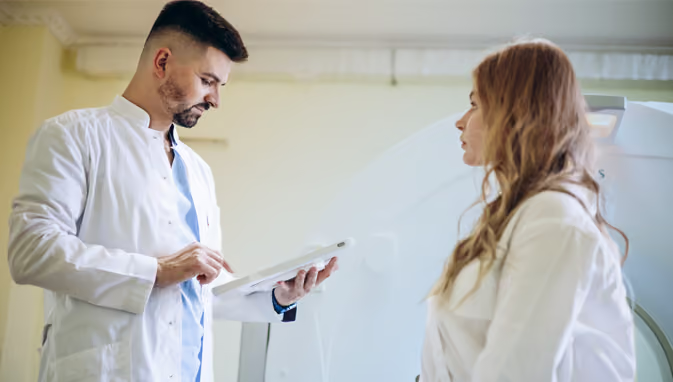
6 Practices to Ensure Exceptional Healthcare with Cutting-Edge Technology
Quality healthcare means providing studies, diagnoses, and care with high-standard tools, high precision, and patient-centered personalization. Studies show that quality healthcare can reduce the risk of disability or illness by up to 35%. Achieving this requires proper management of medical technology resources to make the most of them. Below, we outline how to reach this high standard.
Best Practices in Technology Management for Healthcare
These begin the moment the purchase agreement is signed and continue throughout the life cycle of the medical technology.
1. Informed and Optimal Purchasing Decisions
It is important to make prudent, fact-based purchasing decisions. An analysis by Frost and Sullivan found that, on average, healthcare facilities have between 20% and 30% more equipment than they need. To save money, purchasing should be done at the organizational level rather than the departmental level. When budgeting is done by department, some medical professionals may be inclined to acquire more than necessary in order to protect their funding. For the financial well-being of the healthcare provider, it is advantageous to have a trusted technology partner who can provide guidance.
2. Asset Tracking and Traceability
Healthcare providers can benefit from a real-time location system (RTLS) when it comes to tracking their medical equipment. Due to the size and complexity of these organizations, it can be difficult for them to accurately track the assets they own and their location. By learning from sectors such as manufacturing and consumer goods, and bringing RTLS into the healthcare industry, it is possible to increase efficiency and improve the quality of care.
3. Driving Continuous Improvement as an Essential Element
Building a productive collaboration with technology management can help ensure that the provider's equipment meets capacity requirements. This allows providers to prepare for any changes that may arise rather than responding to them after they occur, since they often have limited time and expertise to focus on improving workflows and enhancing patient care and experience. LEAN methodologies are one way to maximize operations and reduce unnecessary ones. In general, LEAN practices involve analyzing a process, identifying the steps that add value, and discarding those that do not. Both healthcare providers and technology providers can benefit from this.
4. Making the Most of Digital Technology Management
A software platform focused on technology oversight is necessary for the productivity of a busy medical organization. Dashboards that update in real time inform staff and healthcare administrators so they can take action before problems arise, and demonstrate success against service performance metrics. In addition, remote asset monitoring enables proactive processes and rapid responses when necessary. Smart digitization makes technology management simple, efficient, and cost-effective.
5. Analysis of Technology Performance and Utilization
Understanding how technology performs enables better decisions for delivering better services. For example, if the emergency department has a high volume of CT scan requests, a scanner that is not in use in the radiology division can be used, provided the procedure for doing so is in place. Knowing the exact status of assets in real time, and having reports that describe trends, maintenance needs, and possible improvements, can lead to sound decisions and considerable savings.
6. Unlocking Staff Potential Through Training and Education
In today's world, healthcare organizations need an effective clinical and technology training program. It is recommended to use a software platform to manage and oversee the training of clinical staff, as well as in-house biomedical/technical engineering staff. This personalized, comprehensive, and monitored training program is of great importance, since user errors can cause an enormous financial burden for many healthcare provider organizations. Errors in procedure repetition, misdiagnoses, and inadequate treatments not only diminish the quality of care but also harm the financial standing of medical institutions. By implementing educational programs based on information technology, healthcare professionals can avoid errors and improve the quality and effectiveness of care.
High-Value Partnerships: Eden's Approach to Technology Management in Your Lab or Hospital
Eva and healthcare facilities maintain beneficial, long-term relationships that typically last more than 5 years. Once the collaboration is established, Eva uses a comprehensive set of program management practices to ensure that all the benefits of the technology management partnership are realized.

Revolutionizing the Medical Industry with Cloud Technology: The Future Is Already Here
As technology continues to advance, the healthcare sector has not been left behind. The medical industry is constantly seeking new ways to improve patient care and outcomes, and cloud technology has emerged as a game changer. Cloud technology allows healthcare professionals to store, manage, and share patient data efficiently, making it easier to deliver high-quality care.
The Advantages of Cloud Technology in the Healthcare Sector
One of the main advantages of using cloud technology in the healthcare sector is the ability to store and manage large volumes of patient data. With cloud technology, healthcare professionals can access patient information from anywhere and at any time. This means that physicians and nurses can quickly access a patient's medical history, test results, and other relevant information, even when the patient is not physically present.
Cloud technology also allows healthcare professionals to share patient data securely and efficiently. This is especially important for patients with chronic conditions who may have multiple healthcare professionals involved in their care. With cloud technology, all healthcare professionals can access the same patient data, which reduces the risk of communication errors and improves the overall quality of care.
Another advantage of cloud technology is cost savings. Cloud technology eliminates the need for expensive hardware and software, as well as the need for on-site IT support. Instead, healthcare providers can use cloud-based software and services, the maintenance and updating of which is handled by the cloud provider.
Case Studies of Successful Cloud Technology Implementation in the Healthcare Sector
Several healthcare providers have already implemented cloud technology with great success. For example, the University of Pittsburgh Medical Center (UPMC) implemented a cloud-based electronic health record (EHR) system that has improved patient care and outcomes. The system allows physicians and nurses to access patient data from anywhere and at any time, and has reduced the time needed to access medical records from several hours to just a few minutes.
Another example is the Mayo Clinic, which implemented a cloud-based data analytics platform that has improved patient outcomes and reduced costs. The platform allows healthcare professionals to analyze patient data to identify trends and patterns, which can then be used to develop personalized treatment plans.
Trends and Predictions for the Future of Healthcare Technology
The healthcare technology sector is constantly evolving, and there are several trends and predictions for the future. One is the growing use of artificial intelligence (AI) and machine learning (ML) in medical care. AI and ML can be used to analyze patient data, identify patterns, and develop personalized treatment plans. Another trend is the use of wearable technology, which can monitor patients' health in real time and alert healthcare professionals to potential issues.
The Role of Big Data in Healthcare Technology
Big data plays a crucial role in healthcare technology. With large volumes of patient data available, medical professionals can use data analytics and AI to identify patterns and trends that can help improve patient outcomes. Big data can also be used to develop new treatments and therapies, as well as to identify areas where healthcare providers can improve their services.
Ethical Considerations in Healthcare Technology
As healthcare technology advances, there are several ethical considerations that must be taken into account. One is the possibility of data breaches and unauthorized access to patient data. Healthcare providers must ensure that patient data is stored securely and that access is limited to authorized personnel only.
Another concern is the possibility of bias in AI and ML algorithms. If algorithms are trained on biased data, they can produce biased results, which can have serious consequences for patient care.
The Importance of Cybersecurity in Healthcare Technology
Cybersecurity is essential in healthcare technology. Healthcare providers must ensure that patient data is stored securely and that access is limited to authorized personnel only. This requires implementing robust security measures, such as firewalls, encryption, and multi-factor authentication. Healthcare providers must also ensure that their staff are trained in cybersecurity best practices, how to avoid phishing scams, and how to use strong passwords.
Ways Cloud Technology Can Improve Patient Care and Outcomes
Cloud technology can improve patient care and outcomes in several ways. For example, cloud-based EHR systems allow physicians and nurses to access patient data quickly and easily, reducing the risk of communication errors and improving the overall quality of care. Cloud-based data analytics platforms can also be used to identify patterns and trends that help healthcare professionals develop personalized treatment plans.
The Future of Telemedicine and Virtual Care
Telemedicine and virtual care have become increasingly popular in recent years, and this trend is expected to continue. With telemedicine, patients can receive medical care remotely, which is especially important for patients in rural areas or those who have difficulty accessing healthcare services. Virtual care, such as virtual consultations and remote monitoring, can also help reduce the burden on healthcare professionals and improve patient outcomes.
How Cloud Technology Is Revolutionizing Healthcare
Cloud technology is revolutionizing healthcare in many ways. It allows healthcare professionals to store, manage, and share patient data efficiently, improving the overall quality of care. Cloud technology also enables healthcare professionals to analyze patient data to identify patterns and trends, which can be used to develop personalized treatment plans. As healthcare technology continues to advance, it is important for healthcare professionals to stay up to date on the latest trends and best practices to ensure they provide the best possible care to their patients.

The Future of Healthcare Is Smart and Cloud-Connected
Technology has transformed many aspects of our lives, and healthcare is no exception. The digitization of medical records, telemedicine, and artificial intelligence are just some of the technologies transforming the way healthcare is delivered, and its future will be even smarter and more cloud-connected.
Smart healthcare involves the use of advanced technology to collect and analyze patient data. Sensors and wearable devices can measure heart rate, blood pressure, and other health indicators, allowing physicians to track their patients' health in real time. In addition, the data can be sent directly to the cloud, where it is analyzed using artificial intelligence algorithms to detect patterns and alert physicians in the event of health issues.
Cloud-connected healthcare involves the use of cloud technology to share and store medical data. This allows physicians and patients to access medical information from anywhere, facilitating information exchange and collaboration. In addition, the cloud enables the secure storage of large volumes of medical data for a more efficient and accurate analysis of patient data.
Improving the Quality of Your Healthcare Experience
One of the main advantages of smart, cloud-connected healthcare is the improved quality of the patient experience. The ability to monitor patients' health in real time and analyze large volumes of medical data enables early detection of health issues and more personalized treatment. In addition, cloud connectivity allows for more effective collaboration between physicians and patients, improving the efficiency and effectiveness of the service.
Another advantage is accessibility. Cloud-based healthcare allows patients to access medical information and care from anywhere, improving accessibility and convenience. In addition, telemedicine allows patients to receive medical care without having to travel to a medical center, reducing costs and wait times.
However, there are also challenges associated with smart, cloud-connected healthcare. Medical data security is a critical concern, since medical data is highly confidential and can be the target of cyberattacks. Robust security is therefore required to protect patients' medical data. In addition, advanced technology can increase the cost of the service, which can be an issue in countries where healthcare is expensive.
How Cloud-Connected Technology Is Improving the Quality, Accessibility, and Efficiency of Healthcare
The future of healthcare is smart and cloud-connected. Advanced technology such as artificial intelligence, telemedicine, and cloud connectivity is transforming the way healthcare is delivered, improving the quality, accessibility, and efficiency of care. As technology continues to advance, healthcare becomes ever more efficient.

Artificial Intelligence in Healthcare: Why Human-Centered Design Is Key to Success
We live in the era of digital transformation, in which technology is revolutionizing many sectors, including healthcare. Digital medicine and AI are two of the most important tools driving this transformation. We will explore their definition, their benefits, some statistics on their use, and how to build a digital medicine strategy. We will also look at some tips, the best digital medicine and AI platforms, digital medicine and AI courses, services, and human-centered Artificial Intelligence design.
What Is Digital Medicine and AI?
Digital medicine and artificial intelligence (AI) are two of the most important technologies in healthcare today. Digital medicine is a term used to describe the use of digital technologies to improve the delivery of medical services. This includes the use of software, hardware, and services to manage patient care, such as electronic health records (EHR), telemedicine, and remote patient monitoring.
AI, in turn, is a type of computing that allows machines to learn from data, identify patterns, and make decisions. AI is being used to automate many medical processes, such as diagnosis, treatment, and patient follow-up.
Benefits of Digital Medicine and AI
Digital medicine and AI have the potential to revolutionize healthcare. Some of the benefits they provide include:
- Improved patient care: Digital medicine and AI can help healthcare providers deliver better care to their patients by providing more accurate diagnoses and treatments. AI can also help identify potential health risks before they worsen, enabling early intervention.
- Cost savings: By automating many medical processes, digital medicine and AI can reduce costs by eliminating the need for labor, which in turn lowers the overall cost of healthcare.
- Greater access to care: Digital medicine and AI can help increase access to care by enabling healthcare providers to reach more patients. This reduces health disparities in underserved communities.
- Greater accuracy: Digital medicine and AI can help improve accuracy in diagnosis and treatment, which reduces medical errors and results in better patient outcomes.
-
Statistics on Digital Medicine and AI
Digital medicine and AI are becoming increasingly popular in healthcare. According to a recent PricewaterhouseCoopers survey, most healthcare providers already use, or plan to use, digital medicine and AI within the next three years.
In addition, the Global Market Insights report estimates that the digital medicine and AI market will reach $1.2 trillion by 2025.
Digital Medicine and AI Strategy
Creating a successful digital medicine and AI strategy requires a comprehensive approach. Here are some steps you can follow to build your digital medicine and AI strategy:
- Identify your goals: Identify the specific goals you want to achieve with digital medicine and AI to create a roadmap for success.
- Assess your needs: Analyze your organization's current state and the areas where digital medicine and AI can be most beneficial.
- Develop a plan: Create a comprehensive plan to implement digital medicine and AI that includes a timeline, a budget, and resources.
- Monitor and evaluate: Regularly track your progress to make sure you are achieving your goals.
-
Tips on Digital Medicine and AI
Here are some tips to help you get the most out of digital medicine and AI:
- Stay up to date: Make sure you keep up with the latest developments in digital medicine and AI to stay ahead of the competition.
- Set realistic goals: Set realistic goals for your digital medicine and AI plan to avoid feeling overwhelmed.
- Focus on the user: Focus on providing a user-friendly experience for your patients to ensure they get the most out of your digital services.
- Prioritize security: Make sure your digital medicine and AI services are secure and protect patient data to maintain a relationship of trust.
Digital Medicine and AI Services
There are many digital medicine and AI services available to help organizations get the most out of digital medicine and AI. Here are some of the leading digital medicine and AI services:
- EHR integration: EHR integration can help streamline the process of collecting and exchanging patient data.
- AI-based analytics: AI-based analytics can help healthcare professionals gain insights from data.
- Automated diagnosis: Automated diagnosis can help reduce medical errors and improve patient outcomes.
- Patient monitoring: Patient monitoring can help track a patient's health and provide early intervention when necessary.
Human-Centered AI Design
Human-centered AI design is an approach to AI that focuses on creating solutions tailored to people's needs, understanding user needs, and designing AI solutions that meet them. Human-centered AI design can help ensure that AI solutions are effective and used in ways that benefit people.
Revolutionizing Healthcare: The Power of Digital Medicine and AI
Digital medicine and AI are two of the most important technologies in healthcare today. They have the potential to revolutionize healthcare by improving patient care, reducing costs, increasing access to care, and improving accuracy. To get the most out of digital medicine and AI, organizations must build a comprehensive strategy and use the best digital medicine and AI platforms. In addition, they must prioritize human-centered AI design to ensure that AI solutions meet people's needs.

Medical Imaging and PACS Systems
It is increasingly common to find technology applied to medical science. This is a great asset for this sector, since the incorporation of new tools often represents an advance for patient health. Medical imaging is very important when it comes to diagnosis and prevention, as it can give healthcare providers evidence of what is happening inside the body and, therefore, enable timely treatment.
Now, having noted the advantages of having medical imaging available, it should be pointed out that carrying out the necessary processes in a timely manner can be a challenge. This is because clinics and hospitals often deal with a large volume of information as well as a large number of patients, which makes it highly advisable to use a PACS (Picture Archiving and Communication System). PACS systems provide valuable support in managing and distributing images, both internally and externally.
If we want to give a brief but illustrative definition of what a PACS system is, we would say that it is where a radiologist views and interprets studies digitally. PACS streamlines all processes involved with images through four subsystems:
Acquisition in a PACS System
The first step is to perform the study and obtain the images so that the physician can subsequently access them and carry out the procedures best suited to each case.
Accessibility of Medical Images
Once the study has been carried out, the images are ready for the physician to interpret.
Availability for Interpreting Radiological Images
Something fundamental to a PACS system is that its users have the flexibility to be located anywhere. It is no longer just a matter of staying at the medical center on duty; given the urgency with which some studies are performed, the radiologist must be able to interpret them from wherever they are.
Storage of Medical Images
As mentioned, a PACS system is a very convenient tool for keeping each patient's images and records organized. This not only makes it simpler to access a patient's history, but also makes it possible to compare studies of the same patient across different time periods. This helps ensure the most timely diagnosis.
As the reader may have already deduced, when all these digital resources are available, along with everything convenient about image management, costs are also saved on printing films or burning CDs. In addition, it increases the quality and interpretation of studies, and several physicians can even be involved in the same process at once.
Another key feature of a PACS system is its ease of use and intuitive design, meaning that users do not need expert-level technical skill to interpret the results.
Finally, clinics and hospitals that want to continue providing their patients with the best service must definitely learn about the available PACS system options and implement them. Would you like more information? Leave us your details and we will get in touch with you.

How Artificial Intelligence Can Help Predict and Manage Patient Flow
In this article, we discuss medical innovation and how it improves patient care. We discuss how, with the advent of artificial intelligence and machine learning, medical innovation is now more powerful than ever.
What Is Medical Innovation?
Medical innovation is the use of technology and data to improve patient care. It is the application of research- and data-driven solutions to better diagnose and treat diseases, injuries, and other medical conditions. Medical innovation is a constantly evolving field, as new technologies and data-driven solutions are continually being developed.
Medical innovation can result in new treatments, increase diagnostic accuracy, and improve patient outcomes. It can also be used to increase the efficiency of the healthcare system and reduce costs.
For example, machine learning algorithms can be used to identify patterns in patient data and reduce the time needed to diagnose a patient. In addition, medical imaging technology can be used to detect and diagnose diseases faster and more accurately than ever before.
Today, innovation is an important part of healthcare, and it is essential for providing the best possible care to patients. By harnessing the power of technology and data, medical innovation can help hospitals and healthcare providers deliver effective, efficient, and cost-effective care.
Benefits of Medical Innovation
Medical innovation offers many advantages for both medical professionals and patients. It helps reduce costs, improve diagnostic accuracy, and improve patient outcomes. It also helps healthcare providers stay up to date with the latest treatments, technologies, and data-driven solutions.
Thanks to medical innovation, healthcare providers can make better decisions about patient care and reduce the risk of medical errors. It also helps healthcare providers anticipate and address health problems before they worsen.
For example, AI-based machine learning algorithms can be used to detect patterns in patient data and alert physicians to potential health risks. This can help enable timely intervention and prevent more serious health problems.
Finally, medical innovation helps manage patient flow more effectively. By leveraging data-driven solutions, healthcare providers can predict and manage patient flow more efficiently, which helps reduce wait times and improve service satisfaction.
Examples of Medical Innovations
There are many medical innovations that can be used to improve patient care. These include:
- Artificial intelligence (AI) and machine learning algorithms: AI and machine learning algorithms can be used to process large volumes of patient data and identify patterns. This can help healthcare providers make better treatment decisions and reduce the risk of medical errors.
- Telemedicine: Telemedicine is the use of technology to deliver medical services remotely. This can help healthcare providers offer better care to patients, especially those living in rural areas or who have difficulty traveling to a healthcare facility.
- Electronic health records (EHR): Electronic health records are digital records of patient information that physicians can share. This can help provide better care by giving access to more complete patient histories.
- Medical imaging technology: Medical imaging technology, such as MRI, X-rays, and CT scans, can be used to diagnose diseases faster and more accurately than ever before.
- Wearable technology: Wearable technology, such as fitness trackers, can be used to monitor patients' health and provide healthcare providers with valuable data.
How to Use Medical Innovation to Predict and Manage Patient Flow
Medical innovation can be used to predict and manage patient flow more efficiently. Thanks to data-driven solutions, healthcare providers can better predict patient flow and prepare for potential surges. This can help reduce wait times and improve patient satisfaction.
Data-driven solutions can be used to analyze patient data, such as demographic information, medical history, and insurance information. By leveraging data-driven solutions, healthcare providers can adjust staffing levels and resources to meet patient needs.
Challenges of Patient Flow Forecasting
Predicting patient flow can be a challenge for healthcare providers. Data-driven solutions can help healthcare providers anticipate patient flow and make better decisions about staffing levels and resources. However, patient flow forecasting presents several challenges:
- Lack of data: To accurately predict patient flow, healthcare providers need access to complete patient data. However, not everyone has access to complete patient data. This can make it difficult to accurately forecast patient flow.
- Complexity: Patient flow is a complex process involving numerous variables. The complexity of the process can make it difficult to forecast flow accurately.
- Time: Forecasting patient flow can be time-consuming. Medical professionals must analyze patient data and develop strategies to optimize flow. This can require a considerable amount of time and resources.
Nenhum documento corresponde à sua pesquisa.